

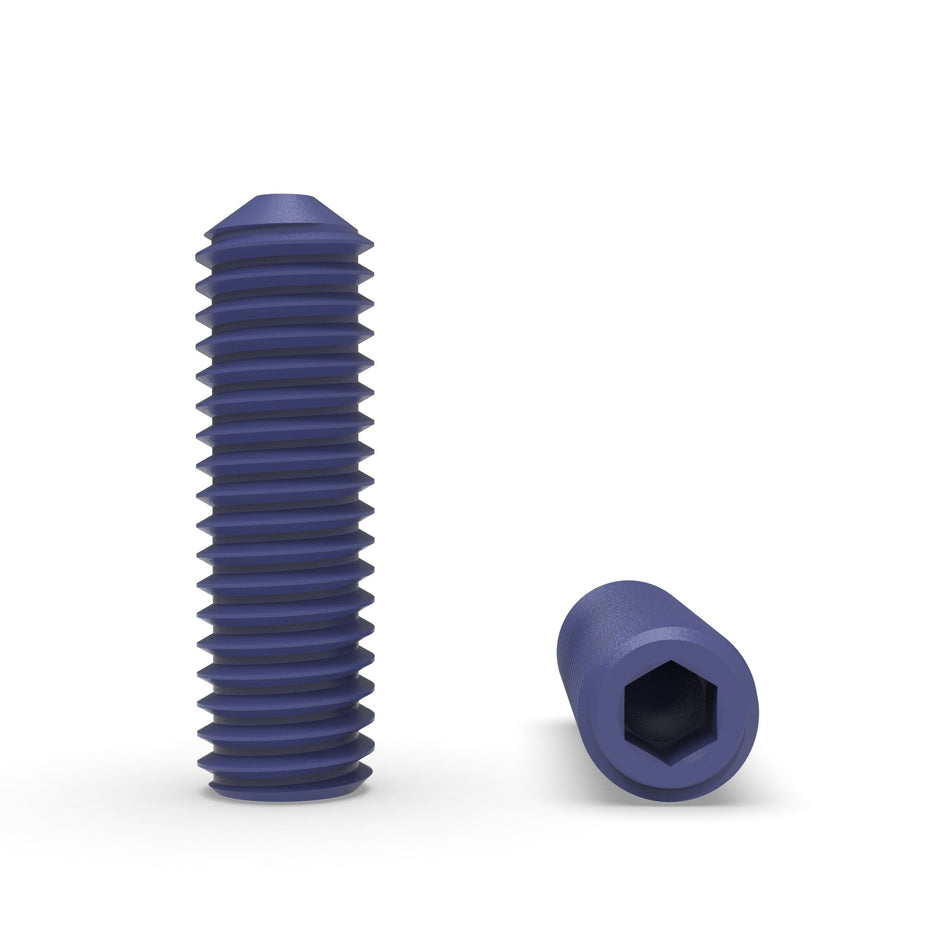
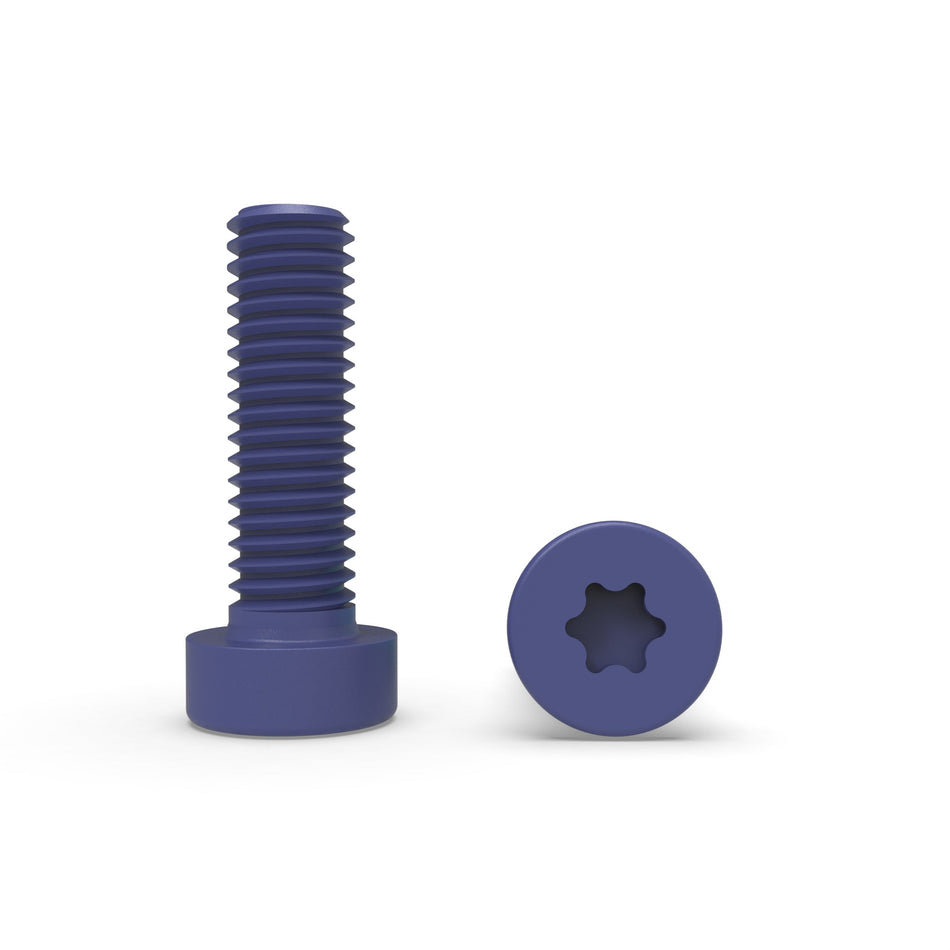
Korrosionsbeständige Schrauben, Bolzen, Muttern, Unterlegscheiben und Befestigungselemente

What Are Corrosion Resistant Fasteners?

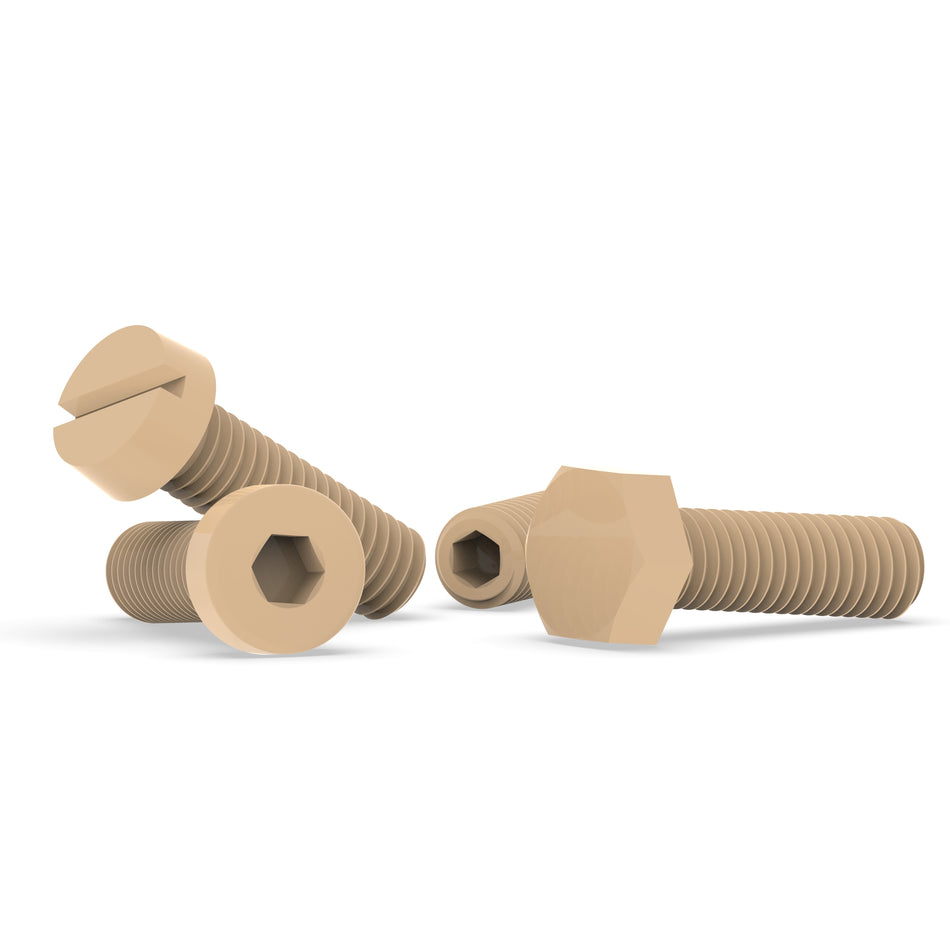
Corrosion resistant polymer fasteners are a type of fastener that is made from polymers, or plastic materials, that are resistant to corrosion. These fasteners are used in a wide range of applications where corrosion could be a problem, and they offer several benefits over traditional metallic fasteners.

Produkte filtern

180 Produkte

    Why Are Corrosion Resistant Fasteners Needed?
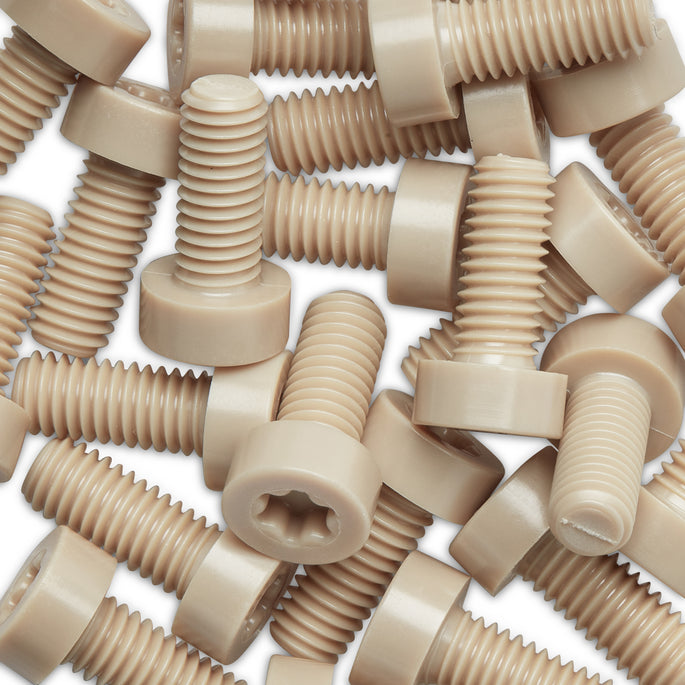
    Corrosion resistant polymer fasteners are an essential fastener that is used in a wide range of applications where corrosion or galvanic corrosion could be a problem. These fasteners are made from corrosion resistant polymer materials, and they are designed to extend the lifespan of the fastener by preventing corrosion. There are several types of corrosion resistant polymer fasteners to choose from, including PEEK, PPS, and PVDF fasteners, as well as various coatings that can be applied to fasteners to improve their corrosion resistance.

    Types Of Corrosion Resistant Fasteners

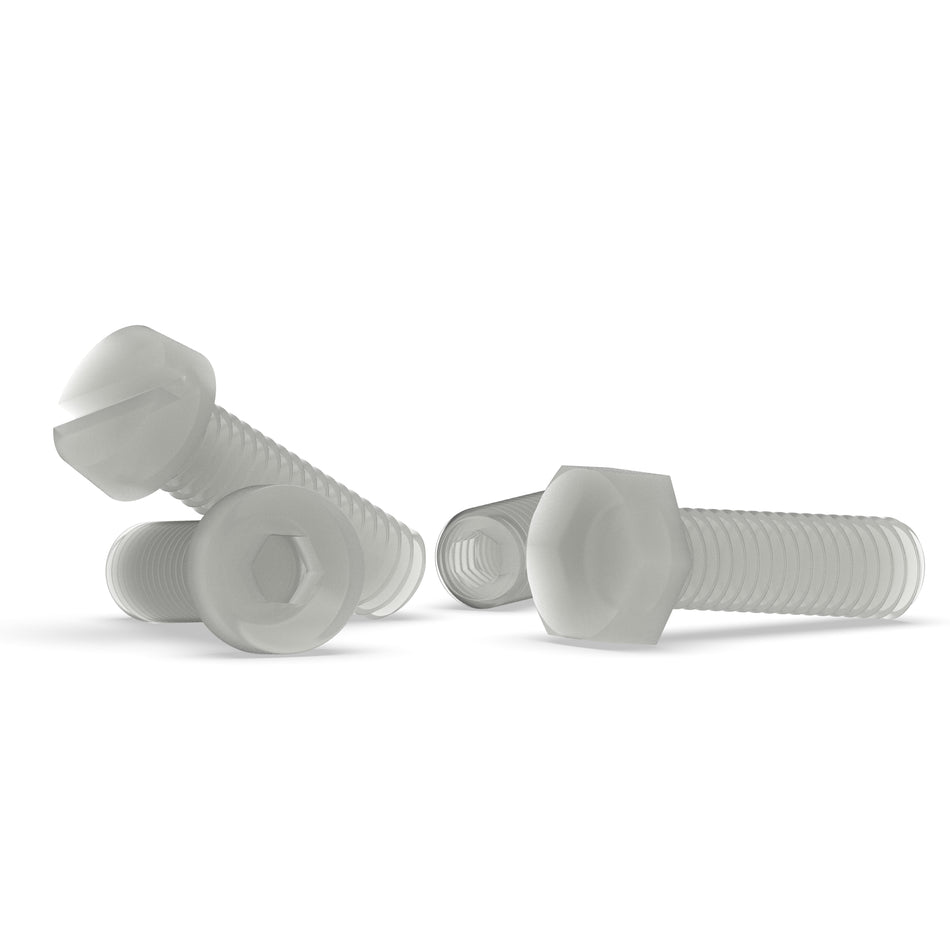
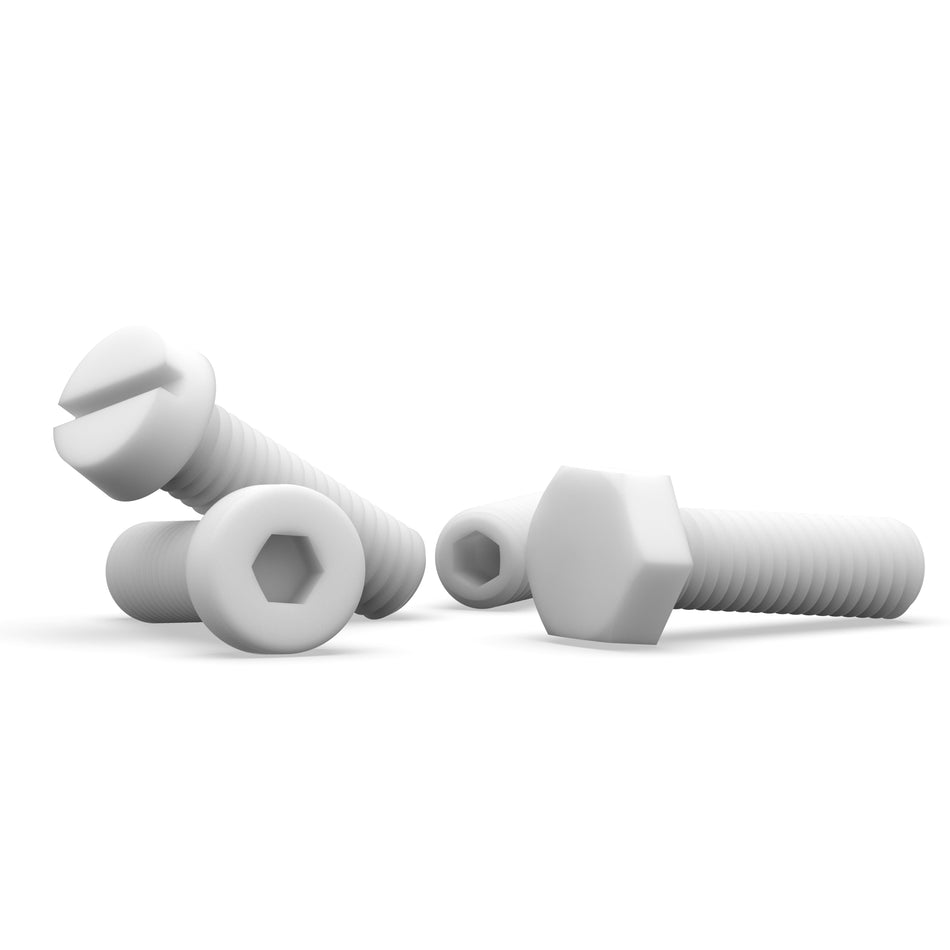
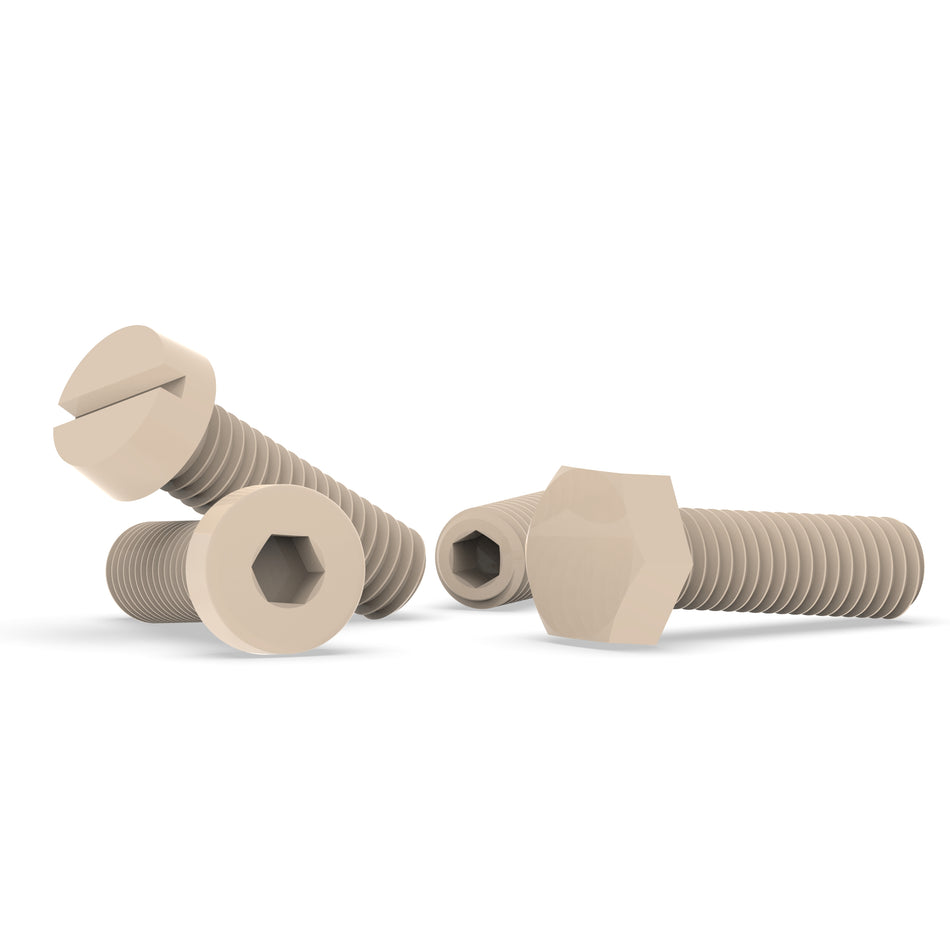
    There are several types of corrosion resistant polymer fasteners, including polyetheretherketone (PEEK) fasteners, polyphenylene Sulphide (PPS) fasteners, and polyvinylidene fluoride (PVDF) fasteners. PEEK fasteners are known for their excellent mechanical and thermal properties, making them suitable for use in a wide range of applications. PPS fasteners are also known for their good mechanical and thermal properties, as well as their resistance to UV light and weathering. PVDF fasteners are known for their excellent chemical resistance, making them suitable for use in corrosive environments.

    In addition to these types of corrosion resistant polymer fasteners, there are also various coatings that can be applied to polymer fasteners to improve their corrosion resistance. These coatings provide an additional layer of protection to the fastener, helping to prevent corrosion and extend the lifespan of the fastener.

    There are several factors that can affect the corrosion resistance of a polymer fastener, including the type of polymer material, the environment in which it is used, and the type of coating that is applied. It is important to consider these factors when selecting corrosion resistant polymer fasteners to ensure that they are suitable for the intended application.

    Common applications of corrosion resistant fasteners
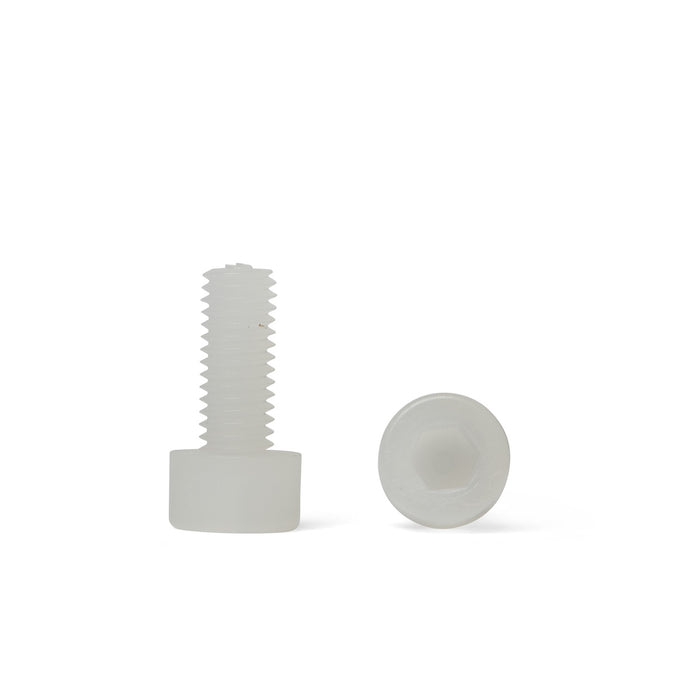
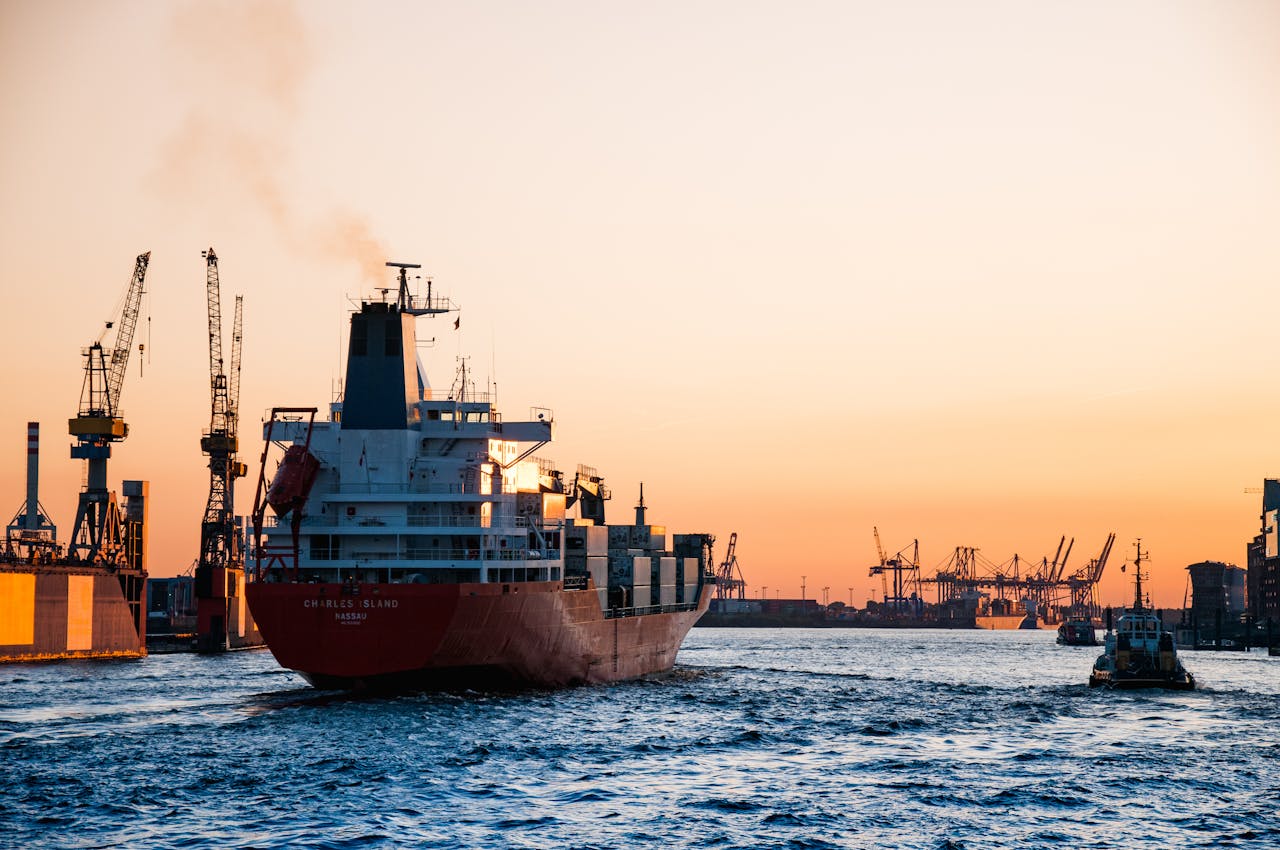
    Corrosion-resistant fasteners are essential in environments exposed to moisture, chemicals, or harsh elements, ensuring long-term durability and structural integrity. In the marine industry, they are used to secure components on ships, docks, and offshore platforms, where constant exposure to saltwater can cause rapid corrosion. In the construction sector, corrosion-resistant fasteners are applied in bridges, outdoor structures, and coastal buildings to protect against environmental degradation. They are also widely used in chemical processing plants to secure equipment exposed to aggressive chemicals, as well as in automotive and aerospace industries to prevent rust and failure in components subjected to varying temperatures and humidity.

    What makes polymers great corrosion resistant fasteners?
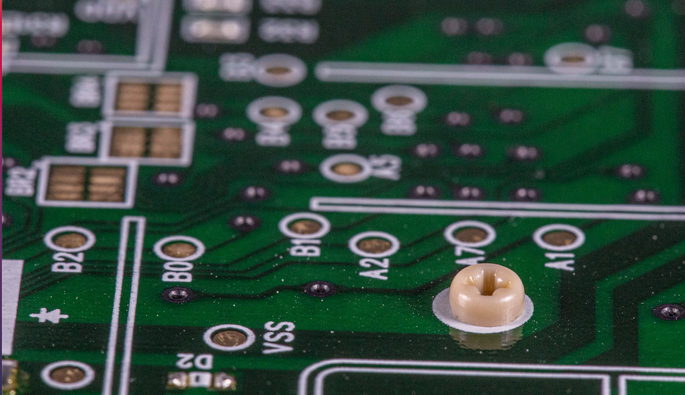
    Corrosion-resistant polymers are inherently resistant to corrosion due to their molecular structure, which prevents chemical reactions with corrosive substances. Unlike metals, polymers do not oxidize or rust when exposed to moisture, chemicals, or other corrosive agents. Their non-reactive nature stems from the strong covalent bonds between atoms in their structure, which resist breakdown in harsh environments. Additionally, many corrosion-resistant polymers, such as PEEK, PVC, and PVDF, have low permeability to gases and liquids, reducing their susceptibility to chemical infiltration and degradation, making them ideal for applications in aggressive environments where metals would corrode.

    What Are The Benefits Of Corrosion Resistant Fasteners?
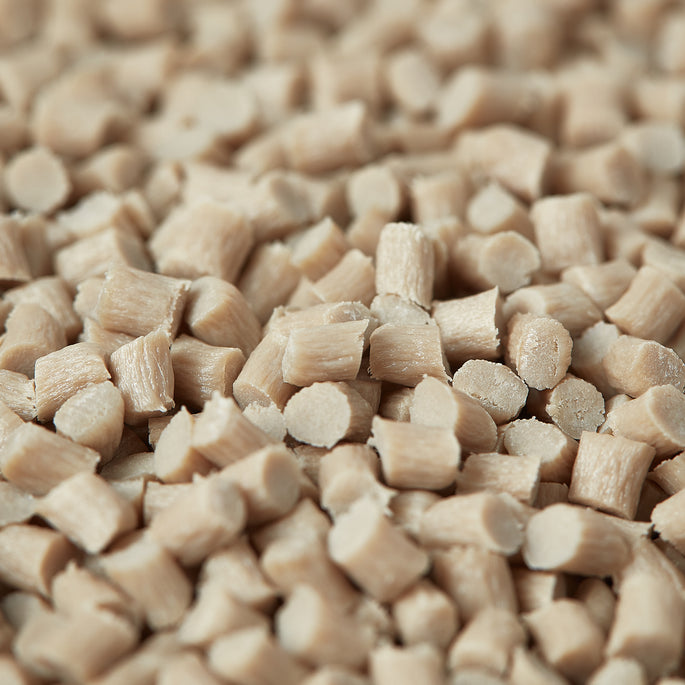
    One of the main benefits of corrosion resistant polymer fasteners is their lightweight and easy-to-handle properties. This makes them particularly suitable for use in applications where weight is a concern, such as in the aerospace and automotive industries. Polymer fasteners are also typically easier to install than metal fasteners, as they do not require specialized tools or equipment.

    In addition to their lightweight and easy-to-handle properties, corrosion resistant polymer fasteners also offer good electrical insulation properties. This makes them suitable for use in electrical and electronic applications where electrical insulation is important.

    Other beneficial properties of corrosion resistant polymers

    Corrosion-resistant polymers like PEEK, PVC, and PVDF are well-suited for various sectors due to their high mechanical strength, thermal stability, lightweight nature, and excellent chemical resistance. These polymers can withstand heavy loads and high temperatures, making them ideal for aerospace, automotive, and industrial applications. Their electrical insulation properties make them valuable in electronics, while their low permeability to gases and liquids ensures long-term performance in chemical processing, water treatment, and oil industries. These combined traits allow corrosion-resistant polymers to excel in harsh environments where metals would fail, offering durability and reliability across a wide range of applications.

    Korrosionsbeständige Polymerbefestigungselemente sind Befestigungselemente, die aus Polymeren oder Kunststoffmaterialien hergestellt werden, die korrosionsbeständig sind. Diese Befestigungselemente werden in einer Vielzahl von Anwendungen eingesetzt, in denen Korrosion ein Problem darstellen könnte, und sie bieten mehrere Vorteile gegenüber herkömmlichen Metallbefestigungselementen.

    Einer der Hauptvorteile von korrosionsbeständigen Polymerbefestigungselementen sind ihre leichten und einfach zu handhabenden Eigenschaften. Dies macht sie besonders geeignet für Anwendungen, bei denen das Gewicht eine Rolle spielt, wie beispielsweise in der Luft- und Raumfahrtindustrie sowie in der Automobilindustrie. Polymerbefestigungselemente sind in der Regel auch einfacher zu installieren als Metallbefestigungselemente, da sie keine speziellen Werkzeuge oder Ausrüstungen erfordern.

    Zusätzlich zu ihren leichten und einfach zu handhabenden Eigenschaften bieten korrosionsbeständige Polymerbefestigungselemente auch gute elektrische Isolationseigenschaften. Dies macht sie geeignet für den Einsatz in elektrischen und elektronischen Anwendungen, bei denen elektrische Isolation wichtig ist.

    Es gibt verschiedene Arten von korrosionsbeständigen Polymerbefestigungselementen, darunter Polyetheretherketon (PEEK)-Befestigungselemente, Polyphenylenoxid (PPO)-Befestigungselemente und Polyvinylidenfluorid (PVDF)-Befestigungselemente. PEEK-Befestigungselemente sind bekannt für ihre ausgezeichneten mechanischen und thermischen Eigenschaften, wodurch sie für eine Vielzahl von Anwendungen geeignet sind. PPO-Befestigungselemente sind ebenfalls bekannt für ihre guten mechanischen und thermischen Eigenschaften sowie ihre Beständigkeit gegen UV-Licht und Witterungseinflüsse. PVDF-Befestigungselemente sind bekannt für ihre ausgezeichnete chemische Beständigkeit, wodurch sie für den Einsatz in korrosiven Umgebungen geeignet sind.

    Zusätzlich zu diesen Arten von korrosionsbeständigen Polymerbefestigungselementen gibt es auch verschiedene Beschichtungen, die auf Polymerbefestigungselemente aufgetragen werden können, um deren Korrosionsbeständigkeit zu verbessern. Diese Beschichtungen können Zinkbeschichtungen, Galvanisierung und verschiedene Arten von Farben und Beschichtungen umfassen. Diese Beschichtungen bieten eine zusätzliche Schutzschicht für das Befestigungselement, um Korrosion zu verhindern und die Lebensdauer des Befestigungselements zu verlängern.

    Es gibt mehrere Faktoren, die die Korrosionsbeständigkeit eines Polymerbefestigungselements beeinflussen können, darunter die Art des Polymermaterials, die Umgebung, in der es verwendet wird, und die Art der aufgetragenen Beschichtung. Es ist wichtig, diese Faktoren bei der Auswahl korrosionsbeständiger Polymerbefestigungselemente zu berücksichtigen, um sicherzustellen, dass sie für die beabsichtigte Anwendung geeignet sind.

    Insgesamt sind korrosionsbeständige Polymerbefestigungselemente eine wichtige Art von Befestigungselementen, die in einer Vielzahl von Anwendungen eingesetzt werden, bei denen Korrosion ein Problem darstellen könnte. Diese Befestigungselemente werden aus korrosionsbeständigen Polymermaterialien hergestellt und sind darauf ausgelegt, die Lebensdauer des Befestigungselements durch Korrosionsverhinderung zu verlängern. Es gibt verschiedene Arten von korrosionsbeständigen Polymerbefestigungselementen zur Auswahl, darunter PEEK-, PPO- und PVDF-Befestigungselemente, sowie verschiedene Beschichtungen, die auf Befestigungselemente aufgetragen werden können, um deren Korrosionsbeständigkeit zu verbessern.